
Electric planes are coming to Hawaii.
This week, BETA Technologies and Mokulele Airlines launched the first operational electric cargo flights in Hawaiʻi. Interisland routes are short and suitable for battery-powered aircraft. This launch sets the stage for validating the technology and gaining a better understanding of the infrastructure required to expand the service. The short distances, high fuel costs, energy independence goals, and legal obligations create a compatible environment for this solution.
It helps that Hawaiʻi's airport infrastructure is already moving in the right direction. Last month, Hawaiian Airlines blessed a new fleet of electric ground support equipment (GSE) - baggage tractors, belt loaders, and pushback tractors at the Honolulu airport. A key enabler was HDOT’s installation of 30 stations, totaling 60 EV charging ports. There are 4 more stations coming later this year.
The ground is being electrified. Planes are following.
This development matters because it supports Navahine, the 2024 landmark settlement requiring the state to achieve zero emissions across ground, sea, and interisland air transportation by 2045. HDOT made the promise. The electrification of GSE at HNL and the BETA-Mokulele deployment are in keeping with the promise.
As electric aircraft move toward FAA certification, airports need charging infrastructure designed for them. HDOT has demonstrated our ability to deliver a charging network suitable for GSEs. It’s time to scale that thinking to the runway.
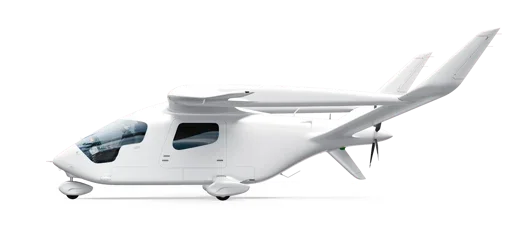
Example equipment, courtesy beta.team
As a long-time advocate for the electrification of transportation, I’ve watched the promising progress in ground transport. We’re now seeing it happen for interisland transport. Our islands are built for this.
More on BETA Technologies can be found here: https://beta.team/aircraft